
Individual Therapy Sessions
“Healing is the application of love to the places inside that hurt.”
Iyanla Vanzant
Art Therapy with Adults

My art therapy sessions with adults and teenagers can be provided both in-person (in Lisbon) and online.
The areas where art therapy can be beneficial include:
– Enhancing emotional awareness and personal growth;
– Navigating life transitions and challenging situations (divorce or relationship change, job loss/career change, relocation, health changes, etc.);
– Discovering innovative solutions to challenges and gaining clarity for difficult decisions;
– Managing anxiety and stress;
– Healing from trauma and grief (loss of a loved one);
– Exploring the roots of chronic health issues (additional support in psychosomatic therapy);
– Improving relationships and resolving conflicts.
Art Therapy with Children
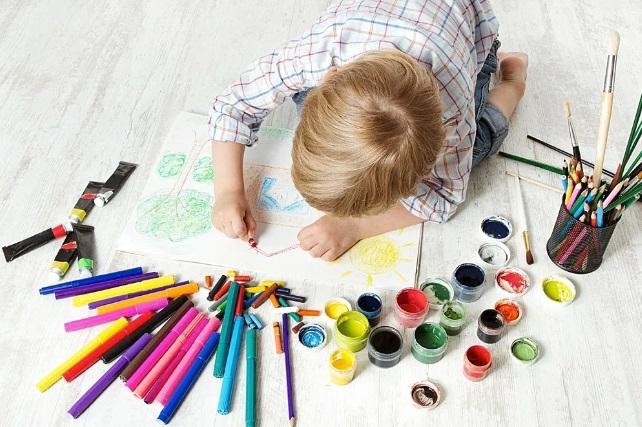
Art therapy is especially effective with children, as for them engagement in a creative process, such as drawing, painting or sculpting, is their most intuitive self-expression and one of their first forms of communication. Their complex ideas and feelings are often hard to express with words, but the moment they start drawing or sculpting their feelings find a way to be expressed. Once the feelings are expressed through their art, children often find words that correspond to these deep inner feelings.
I work with children starting from the age of 4 (in-person support based in Lisbon).
The areas where art therapy can be beneficial for children include:
- improving self-expression, communication and emotional processing;
- coping with strong feelings (anxiety, stress, sadness, frustration, anger);
- healing from trauma and grief;
- addressing behavioural and social problems, and some learning disabilities.
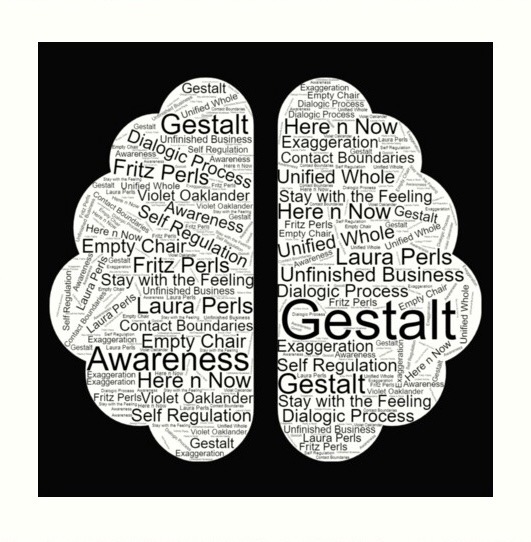
– Personal Responsibility: Gestalt therapy promotes the idea that you are responsible for your choices and actions. It encourages you to take ownership of your experiences and recognize how they shape your identity.
– Authentic Experience: The therapy fosters an environment where you can express your true self. It encourages honest communication and explores the authentic feelings and thoughts that arise in the therapeutic space.
– Integration: Gestalt therapy aims to help you integrate various parts of yourself, including unresolved feelings, thoughts, and behaviors. This holistic approach encourages a sense of wholeness, allowing you to live more fully.
This holistic approach encourages a sense of wholeness, allowing you to live more fully.
What to Expect in Gestalt Therapy:
– Experiential Techniques: In sessions, you may engage in role-playing, empty-chair dialogues, or creative exercises that allow you to explore issues in a dynamic, hands-on way.
– Focus on the Therapeutic Relationship: The relationship between you and me, as your therapist, is crucial. Gestalt therapy fosters a safe, supportive space where you can explore vulnerabilities and deepen your self-awareness.
– Self-Discovery: Your journey in Gestalt therapy will be one of self-discovery and personal growth, enabling you to develop healthier relationships with yourself and others.
Who Can Benefit from Gestalt Therapy?
Gestalt therapy is suitable for individuals seeking to enhance self-awareness, navigate life transitions, improve emotional regulation, or resolve interpersonal issues. Whether you’re dealing with anxiety, depression, trauma, or simply looking for greater fulfillment, Gestalt therapy offers valuable tools for insight and growth.
– Self-Discovery and Awareness:
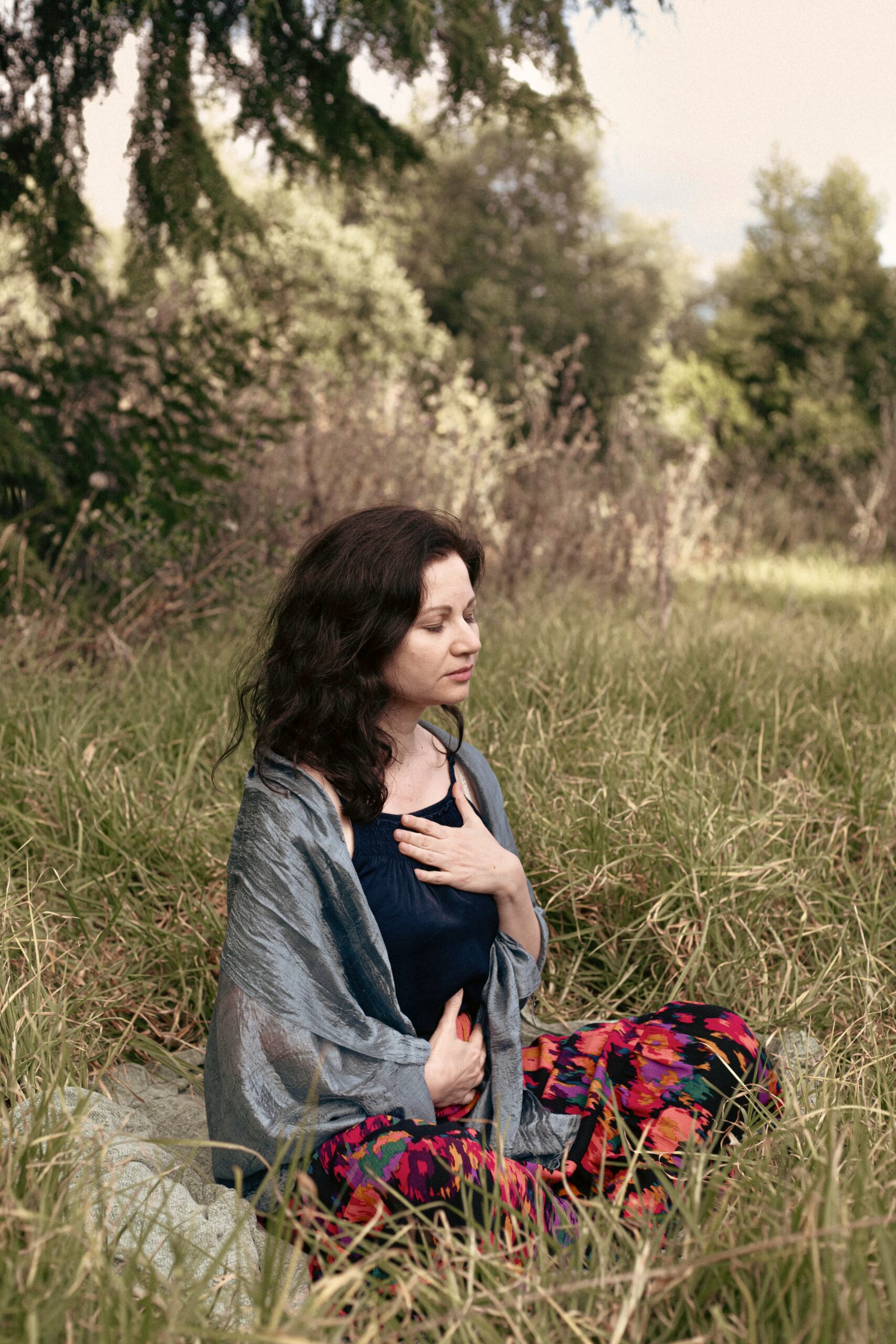
Clients are encouraged to engage in self-discovery and increase their awareness of thoughts, feelings, and bodily sensations. Identifying patterns and triggers is a crucial part of the healing process.
– Emotional Expression:
Psychosomatic therapy allows us to learn to understand the language of the body and its symptoms, identify triggering events and emotions causing these symptoms, and for the expression of emotions that may have been repressed or unacknowledged. By processing these emotions, clients can reduce physical symptoms and improve overall well-being.
– Customized Therapeutic Techniques:
In my psychosomatic therapy sessions, I use a variety of techniques, including biological decoding therapy, specifically designed talk therapy and guided visualization techniques, mindfulness exercises, and somatic awareness practices, to help clients explore their experiences and emotions.
Who Can Benefit from Psychosomatic Therapy?
Psychosomatic therapy can be particularly beneficial for individuals experiencing chronic pain, digestive issues, anxiety, depression, or stress-related disorders. If you find that your physical symptoms correlate with emotional challenges, psychosomatic therapy provides a compassionate space to explore and address these complexities.
Thank you, Julia, for the session of art therapy.
It was a great process of immersion and manifestations of my internal processes!
I appreciated your sensitive and attentive approach in work,
and I’ll be glad to continue working with you!
Working with Julia has been enlightening.
I used to love art, and with her,
I explored art as a means to express and process emotions and life,
in a process of self-empowerment.
Thank you.
I really appreciate Julia for her art therapy work with me. After my first art therapy session with her, I already received a lot of support and great insights, which very much improved my confidence and self- awareness.
I strongly recommend Julia as a professional therapist with a unique approach and techniques in therapy. I really enjoyed the creative part of the session, where art was a tool to help me in my self-discovery process.
Thank you, Julia!
I really benefited from Julia’s art therapy and coaching session.
I have been doing therapy for many years, but the feeling and breakthrough I had from Julia’s services was unprecedented.
Not only is she good at this practice, she also shows genuine care and love.
I highly recommend her for anyone looking for answers and willing to
dig deep into themselves.